Biometric Feedback Tools Reshaping Stamina Management Protocols Among Dedicated Card Competition Participants
Written by Katja Hoffmann · Sep 15, 2026
Biometric Feedback Tools Reshaping Stamina Management Protocols Among Dedicated Card Competition Participants
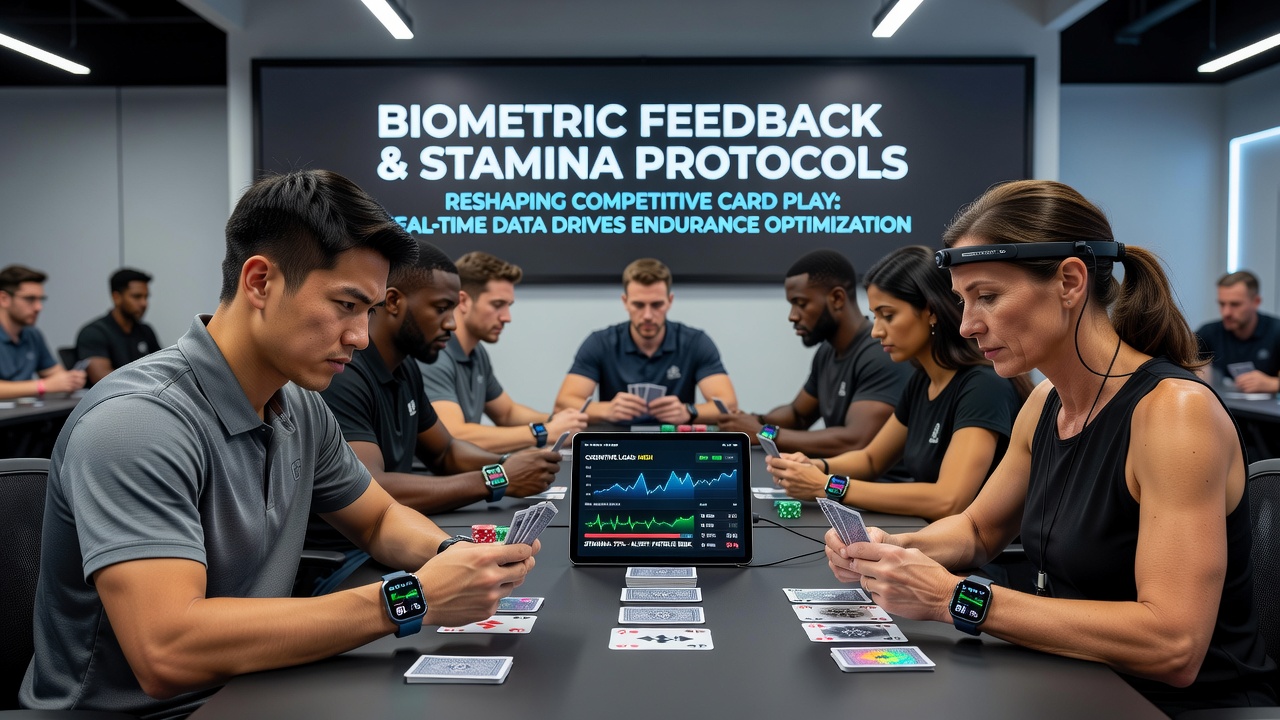
Biometric feedback tools have entered card competition circuits with increasing frequency since 2024, and participants now integrate heart rate monitors, skin conductance sensors, and respiratory trackers into daily routines that once relied solely on subjective fatigue assessments. These devices deliver continuous streams of physiological data that players and support teams convert into adjusted rest intervals, hydration schedules, and session lengths during extended events. Data from the National Institutes of Health shows measurable shifts in how competitors structure recovery periods when objective metrics replace self-reported estimates alone.
Heart rate variability readings, captured through wrist-worn units, allow participants to detect early signs of cognitive load before performance declines become visible to observers. When variability drops below individualized thresholds, many players insert short walks or breathing exercises that restore baseline levels within minutes. Skin temperature and galvanic response sensors add another layer by flagging stress accumulation that correlates with decision latency in later tournament stages. Researchers at institutions across North America and Europe have documented these patterns in observational studies of multi-day events.
Integration into existing competition frameworks
Card competition organizers have begun accommodating these tools through updated venue policies that permit discreet wearable use at tables provided the devices remain silent and non-disruptive. In September 2026 several regional circuits are scheduled to trial standardized data-sharing protocols between players and medical staff on site, creating uniform guidelines for when elevated readings trigger mandatory breaks. Such measures align wth broader performance science approaches already common in endurance sports yet remain tailored to the seated, decision-intensive nature of card play.
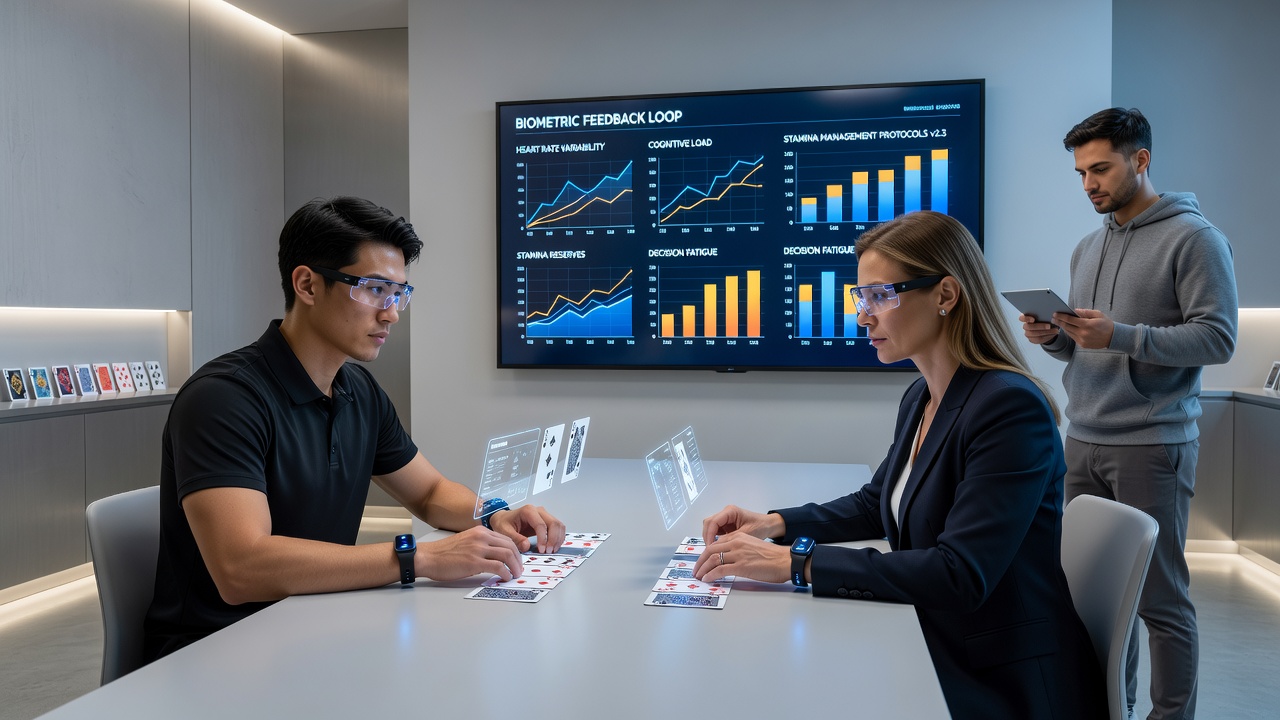
Support teams now compile individualized dashboards that combine biometric streams with historical session outcomes, producing stamina forecasts for upcoming matches. One documented case involved a competitor who extended average playing time by 18 percent after implementing alerts triggered by rising cortisol proxies measured through wearable sweat analysis. These adjustments occur without altering core game rules, focusing instead on the physical envelope surrounding decision-making.
Training adaptations and data-driven protocols
Preparation regimens have evolved to include simulated sessions where biometric thresholds dictate rest timing rather than fixed clock intervals. Trainers monitor live feeds during practice to replicate teh physiological spikes observed in actual competition, then refine recovery sequences accordingly. Evidence from performance laboratories indicates that consistent application of such feedback reduces reported instances of late-session concentration lapses among frequent participants.
Regional differences appear in adoption rates, with North American circuits incorporating commercial devices more rapidly than some European venues where privacy regulations shape data handling procedures. Participants traveling between circuits therefore maintain multiple profiles on their devices to comply with varying expectations. Australian research groups have contributed comparative analyses showing that players who maintain biometric logs across seasons demonstrate steadier performance curves in events exceeding eight hours.
Future developments and ongoing observations
Device manufacturers continue refining algorithms that translate raw signals into actionable stamina recommendations specific to card competition demands, such as distinguishing between excitement-driven heart rate increases and genuine fatigue markers. Partnerships between technology firms and academic groups aim to validate these distinctions through controlled trials scheduled through late 2026. Participants who adopt early iterations report smoother integration into existing routines once initial calibration periods conclude.
Conclusion
Biometric feedback systems continue to supply card competition participants with granular physiological information that informs stamina allocation across multi-day schedules. As September 2026 approaches, standardized protocols in select circuits will test broader implementation models while preserving competitive equity. Ongoing data collection from multiple regions will clarify which metrics deliver the most reliable guidance for sustained performance under tournament conditions.