Player Migration Trends Across Borderless Digital Platforms Driven by Regulatory Changes in Emerging Markets
Written by Elena Albrecht · Sep 28, 2026
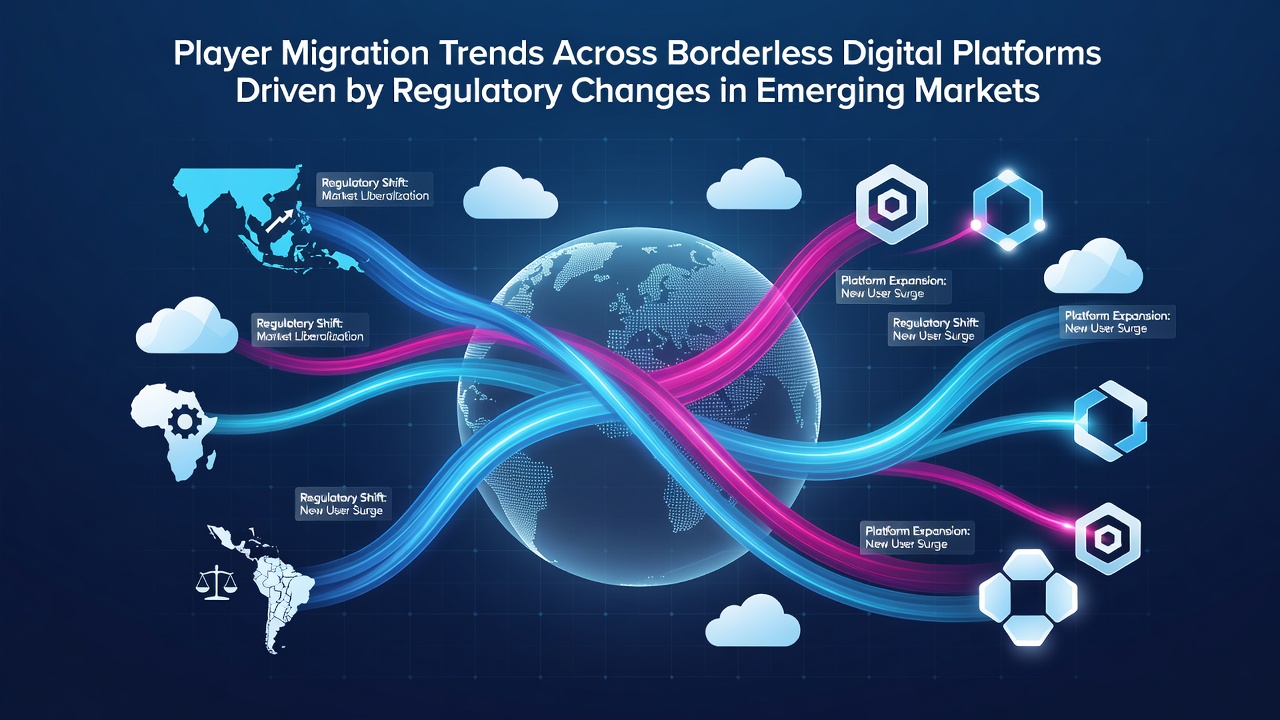
Player Migration Trends Across Borderless Digital Platforms Driven by Regulatory Changes in Emerging Markets
Regulatory Shifts in Key Emerging Markets
Regulatory changes across emerging markets have accelerated player movement toward borderless digital platforms since early 2025, with new licensing frameworks in India and Brazil prompting shifts in access patterns while similar adjustments in Southeast Asia have altered participation rates. Observers note that India's updated digital gaming guidelines introduced in mid-2025 required operators to secure state-level approvals, leading many users to explore international servers that operate without those restrictions. Brazil followed with its own reforms in late 2025, establishing a centralized oversight body that imposed transaction reporting rules, and data from government portals indicate increased traffic to offshore platforms afterward.
Patterns Observed in September 2026
September 2026 brought further clarity when several regional authorities released updated compliance statistics, revealing consistent migration volumes toward platforms that integrate cryptocurrency settlement options and multi-jurisdictional hosting. Those figures show that users from markets with tightening local rules often favor services hosted in jurisdictions with established digital economy treaties, allowing seamless account continuity across devices. Researchers at academic institutions tracking these flows have documented how regulatory uncertainty in one country correlates with spikes in sign-ups on neutral networks within weeks.
Technology Enabling Cross-Border Movement
Borderless platforms rely on cloud infrastructure and encrypted routing to maintain service continuity despite local blocks, and industry reports highlight that operators have expanded server locations in response to demand. Users frequently adopt virtual private networks or decentralized access tools when domestic applications face temporary restrictions, yet the core draw remains consistent content libraries and payment flexibility that local rules sometimes limit. One analysis from a university research center found that platforms offering unified wallets across regions retain higher retention rates during periods of policy transition.
Impact on Platform Architecture and User Behavior
Platform operators have responded by redesigning onboarding flows to accommodate users arriving from multiple regulatory environments, incorporating adaptive compliance checks that adjust based on detected location. Evidence from trade association data shows these adaptations reduce friction during account creation, while payment gateways now support a wider array of local currencies alongside stablecoins. Migration volumes appear highest among users who previously relied on region-specific apps, as broader networks provide uninterrupted access during enforcement actions.
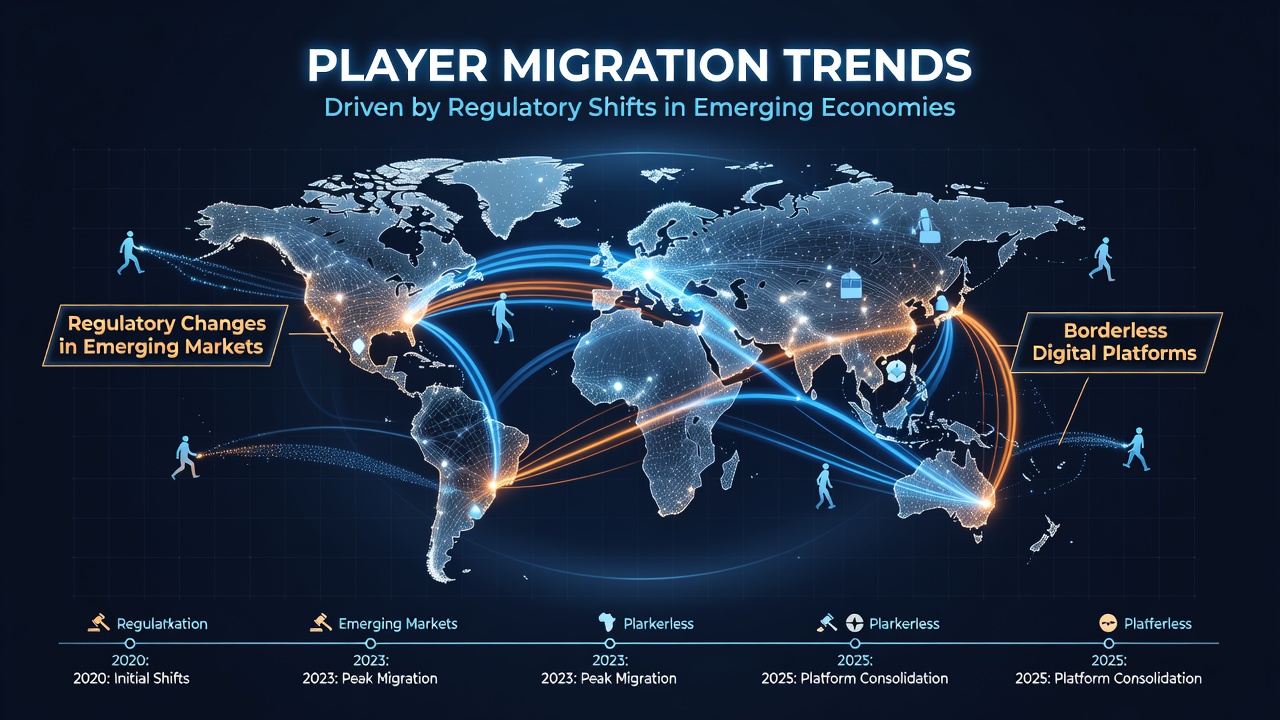
Those who've examined user logs across services note that engagement patterns stabilize once individuals settle on platforms with transparent terms that align with international standards. Regulatory bodies in markets such as Singapore and Australia have published guidance encouraging operators to maintain clear data practices, and these recommendations appear to influence how emerging-market users evaluate destination platforms.
Future Trajectories Based on Current Data
Current indicators suggest continued movement as additional emerging economies finalize digital service regulations through 2027, with platforms that already maintain diverse hosting footprints positioned to capture larger shares. Government statistics from multiple regions indicate that transparent fee structures and cross-border dispute resolution mechanisms rank among the top factors users cite when selecting new environments. Academic studies tracking longitudinal data further reveal that early adopters of borderless systems often maintain activity across several services simultaneously, spreading participation rather than concentrating on single providers.
Conclusion
Regulatory evolution in emerging markets continues to shape how participants navigate digital platforms, driving measurable shifts toward architectures designed for multi-jurisdictional operation. Data compiled through September 2026 and beyond illustrate sustained interest in solutions that prioritize accessibility and adaptability, while operators refine offerings to meet both user expectations and varying compliance demands across regions.